Building Casino 2.0 MVP
Key achievements
A cross-brand scalable design foundation.
Reducing time to market by ~50%.
Micro frontend architecture for faster iteration.
Started the initiative with proof of concept.
66% of game launches driven by Last Played.
Sustained over 5 years after release.
Average 6% increase in CSAT scores.
Across all brands and markets.
Clear decision principles guiding trade-offs.
To navigate the messy process.
First in-house built Pay & Play brand launched.
To support future growth.
Unifying 3 legacy systems into 1 brand new platform.
Reducing the operational costs.
What changed
We rebuilt the core casino experience across mobile and desktop and established a shared foundation across brands.
The redesign increased gaming experience excitement from 54% to 71%, reduced lobby drop-off from 32% to 22% and shortened loading time by 1.1 seconds.
Structurally, we moved from multi-platform duplication to a shared design and frontend architecture that reduced parallel implementation and cut time to market by roughly half.
Rebuilding a fragmented gaming platform into a scalable foundation
Context
When I joined in 2018, casino generated roughly 44% of company revenue. Today it represents close to €1B annually. Commercial performance was strong. Structurally, the platform was fragile.
Ten brands were running across multiple technical platforms with no shared design system. Components were rebuilt repeatedly, sometimes within the same brand. Color usage alone included more than twenty greens and thirty greys in production.
Features could ship, but each new initiative increased complexity. Scaling across brands amplified duplication rather than leverage.
My Role
As vertical design lead, I owned the end-to-end redesign of the Casino experience across mobile and desktop. I defined scope, aligned stakeholders, designed the core system architecture, and personally drove execution through delivery.
It also included hiring designers in Stockholm, managing roadmap alignment with product and engineering, prioritizing backlog items and conducting user testing directly.
Because our structure was not fully embedded within product squads, I often operated at the intersection of design leadership and product ownership.
This was not limited to interface design. It was responsibility for delivery and structural coherence.
From Live Tiles to Structural Reform
The Trigger
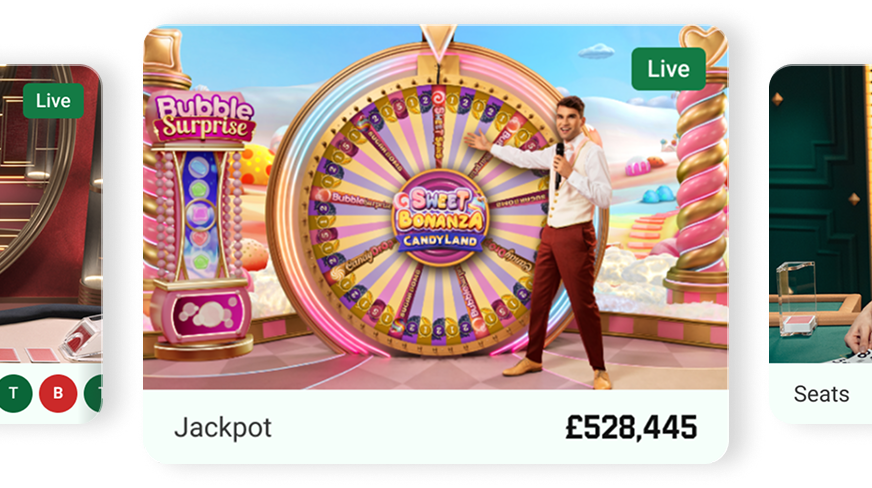
The initiative initially focused on Live Casino Tiles, dynamic tiles showing real-time game data before entry. The concept was commercially attractive.
Instead of asking how to ship Live Tiles faster, I asked whether the underlying architecture could support future growth.
Shipping Live Tiles on top of fragmented systems would have multiplied inconsistency and maintenance cost. We paused the initial implementation and redirected effort toward building a shared base layer first.
That decision slowed the first release but prevented long-term structural debt.
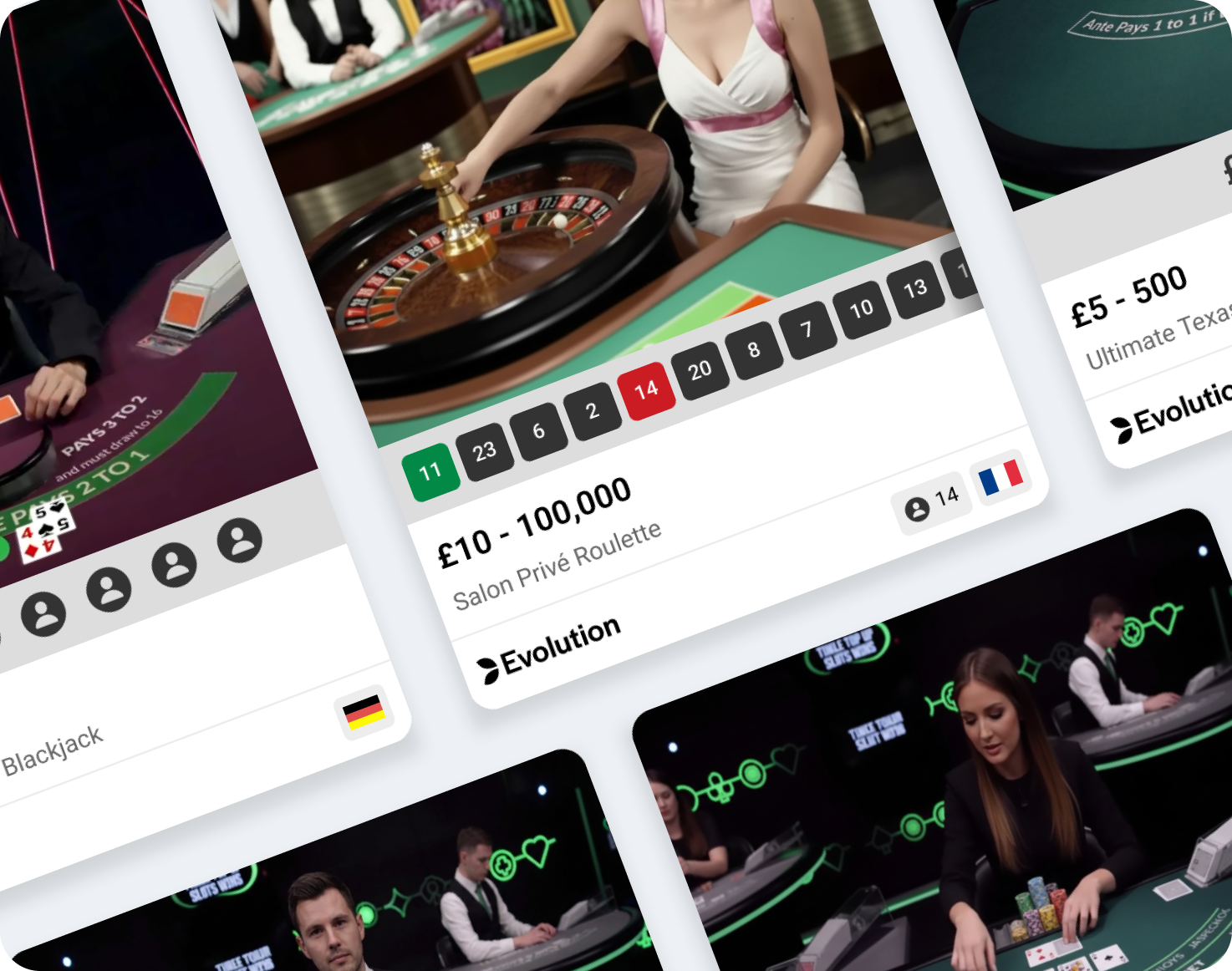
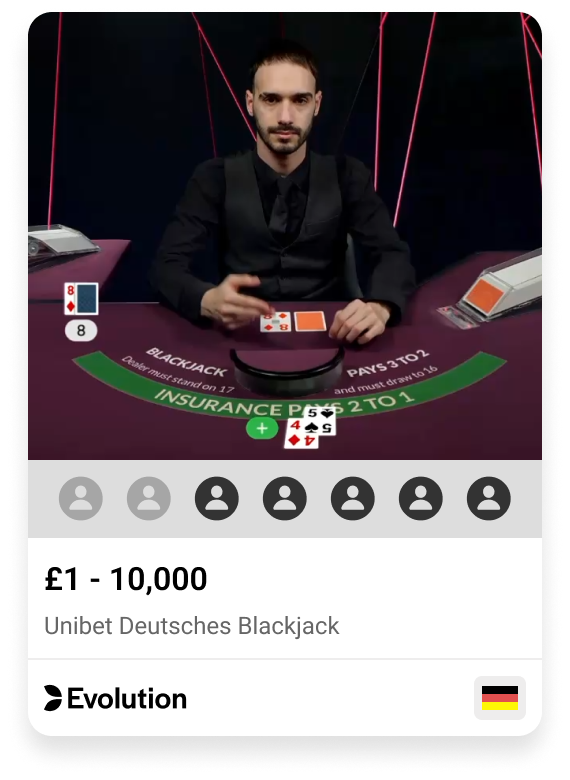
Initial Live game tiles we decided to not to build. Read more about why below.
Establishing a Base Layer
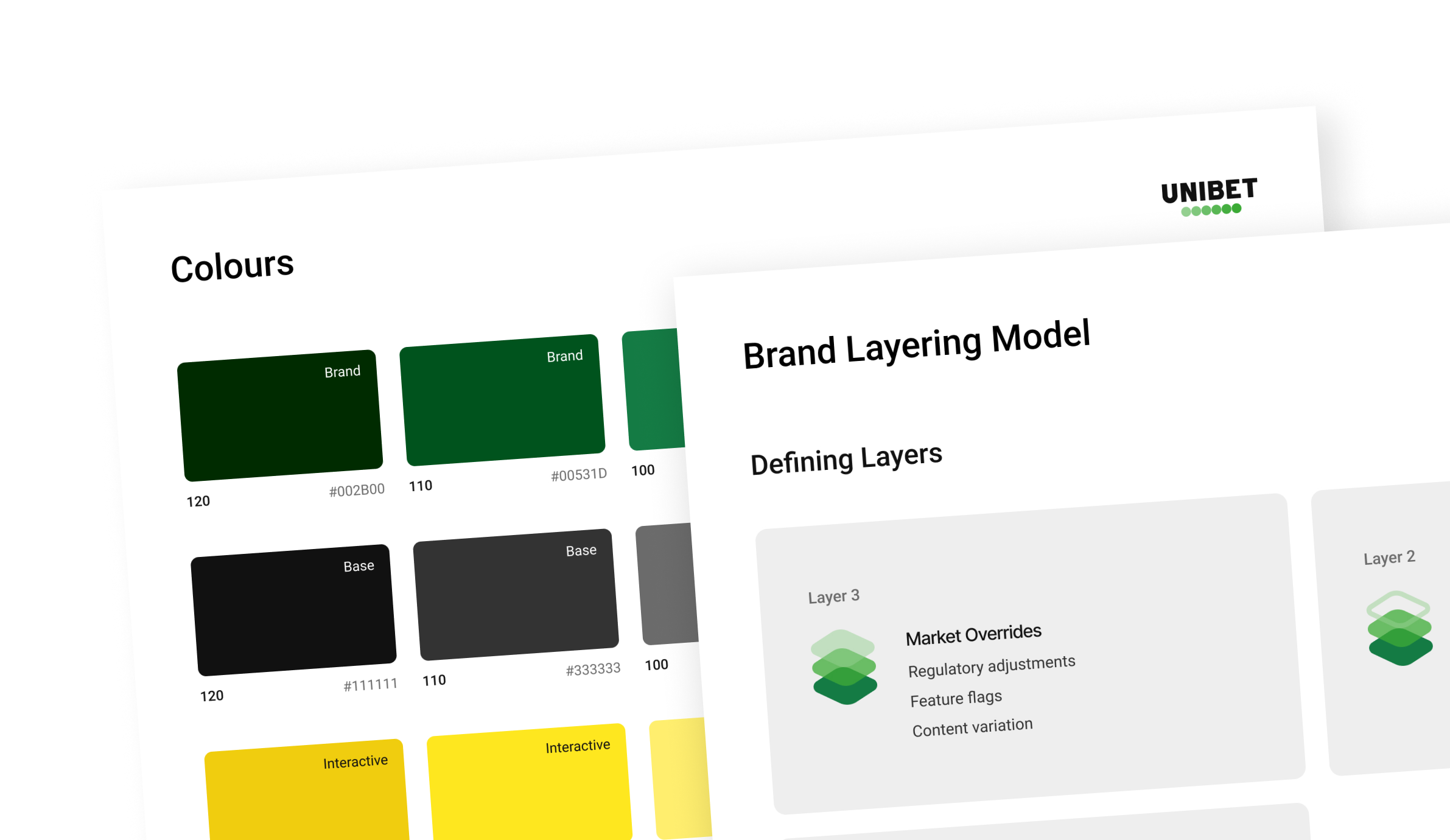
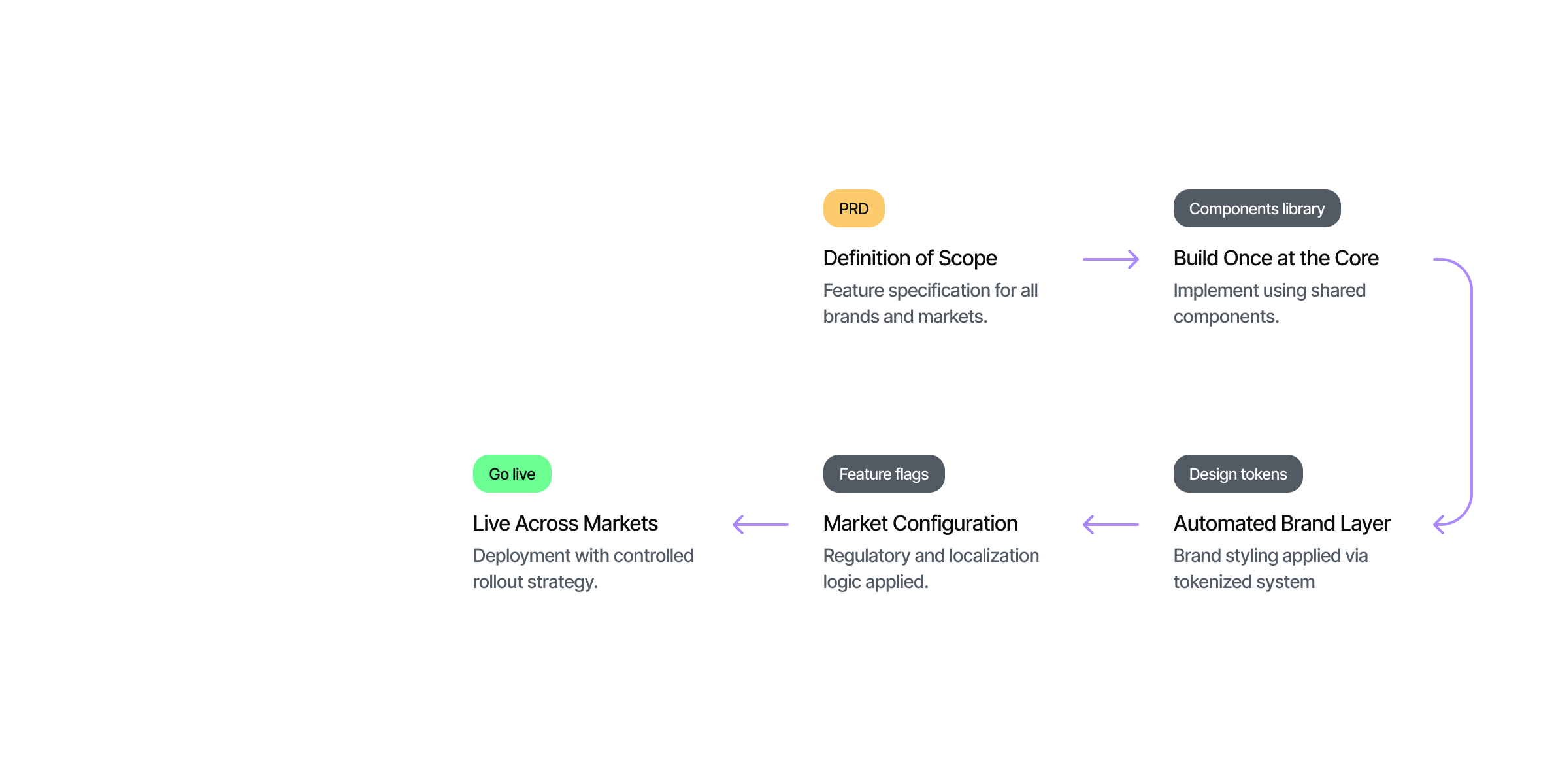
Before redesigning the full casino, I formalized a structured design system for the largest brand, which became the foundation for rest of the brands. I defined:
- Design tokens
- Brand layering model
- Atoms and patterns
- WCAG AA contrast compliance
- A brand-agnostic base layer with brand styling layered on top
Reducing more than 50 inconsistent tints into five structured variants required collaboration between Product and Brand design, which previously operated separately.
We did not have clean velocity metrics at that stage. What changed was observable: fewer parallel implementations, fewer frontend discrepancies, and clearer handover between design and engineering.
Design System Adoption
Aligning a Broken Ownership Model
Casino delivery involved business stakeholders, product managers and platform teams with partially overlapping responsibilities. Each operated rationally within their scope. The misalignment appeared at the boundaries.
I initiated series of workshops to clarify problem framing and define what qualified as MVP versus later-phase enhancements. We also agreed on three experience principles.
These principles later guided both strategic and tactical decisions.
Speed of experience
Every second between landing and launching a game increased drop-off.
Ease of use
Navigation had to remain consistent across categories and brands.
Touch first
Mobile web was the primary channel and needed to drive design decisions.
Introducing Micro Frontends
Around the same time, engineering proposed experimenting with micro frontends. It was not yet a company-wide commitment.
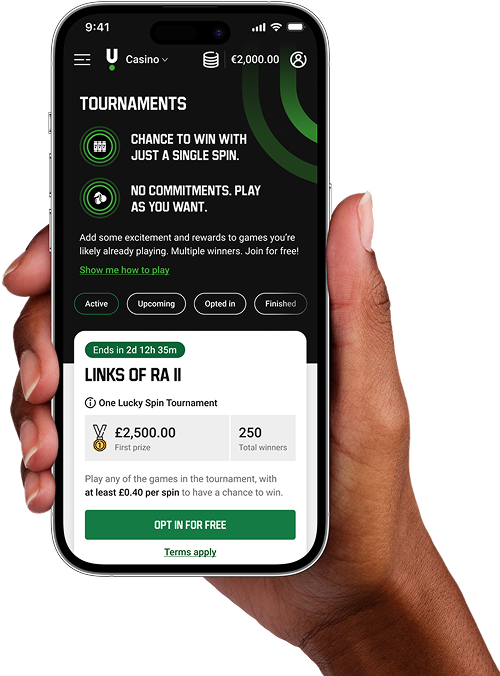
Instead of debating architecture at a conceptual level, I proved it by redesign of mobile tournaments.
The new implementation was faster and easier to scale across platforms. That proof of concept helped secure broader support.
Casino became the first major vertical rebuilt on micro frontends. This reduced release dependency across teams and allowed features to be deployed independently. What previously required coordinated vertical releases could now ship in isolated increments, significantly shortening delivery cycles.
Redesigning the Core: Game Tiles and Grid
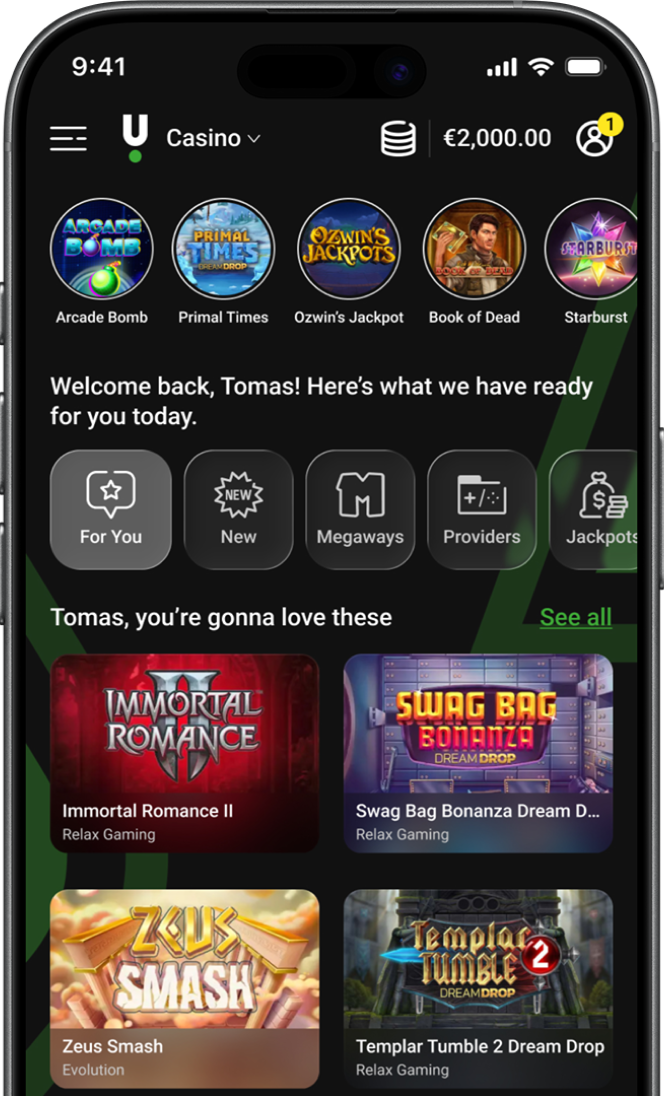
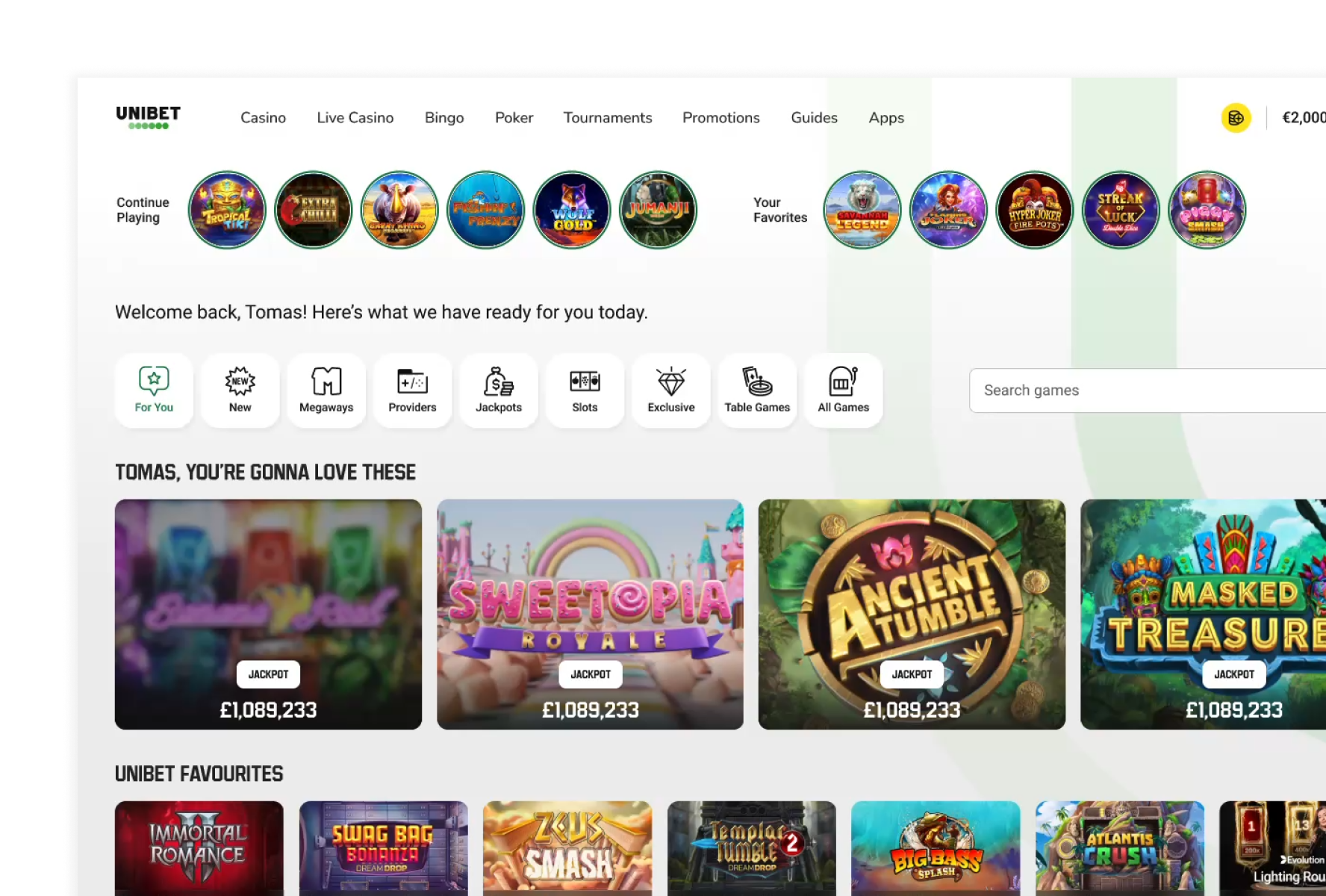
The game tile is the atomic unit of the casino experience. If that component does not scale, the entire grid becomes unstable.
Research showed only 54% of customers found the existing grid exciting. Lobby drop-off reached 32%. Loading performance undermined our speed principle.
The redesign addressed:
The tradeoff
I explored a 3:4 Live Tile format that allowed richer visual hierarchy and more expressive data presentation.
Engineering raised concerns about responsive behavior, cross-brand implementation overhead and layout fragmentation. After evaluating the trade-offs, I chose the 4:3 format.
The 3:4 variant was visually stronger, but would have introduced long-term complexity. The 4:3 ratio ensured predictable layout behavior, improved performance and simplified scaling.
The final decision favored durability over visual maximalism.
Dark mode on Mobile
Light mode on Desktop
Live Game Tiles
We have prioritised this variant, as it provided us with greater scalability and quicker loading times.
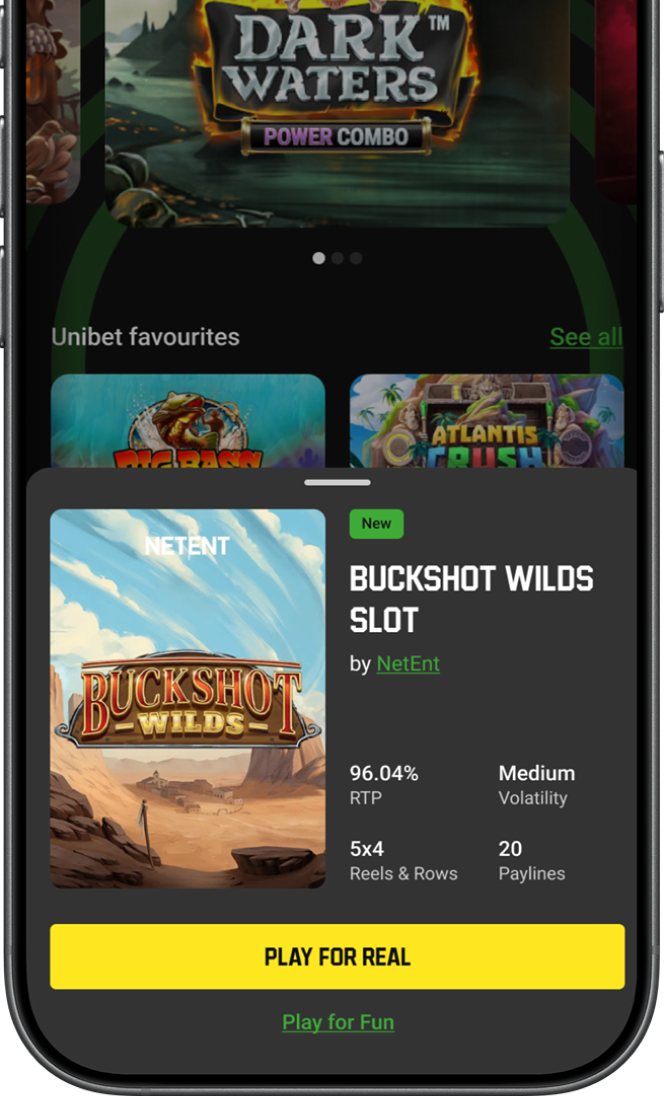
Showing previews
To allow customers to preview games without launching, I used hover states on desktop and a bottom drawer interaction on mobile.
Results
- Excitement score increased from 54% to 71%
- Drop-off decreased from 32% to 22%
- Loading time improved by 1.1 seconds
- Lazy loading further improved perceived speed of loading
- 66% of launches driven by Last Played
- Average 6% CSAT uplift across brands
Importantly, features could now be built once and deployed across brands instead of maintained in parallel.
What I did not get right
User research showed only 22% of customers understood volatility and RTP metrics. My instinct was to remove them, assuming confusion outweighed value.
The business owner argued to retain them. Post-launch research and behavioral data showed these attributes were valued by high net worth customers and supported retention.
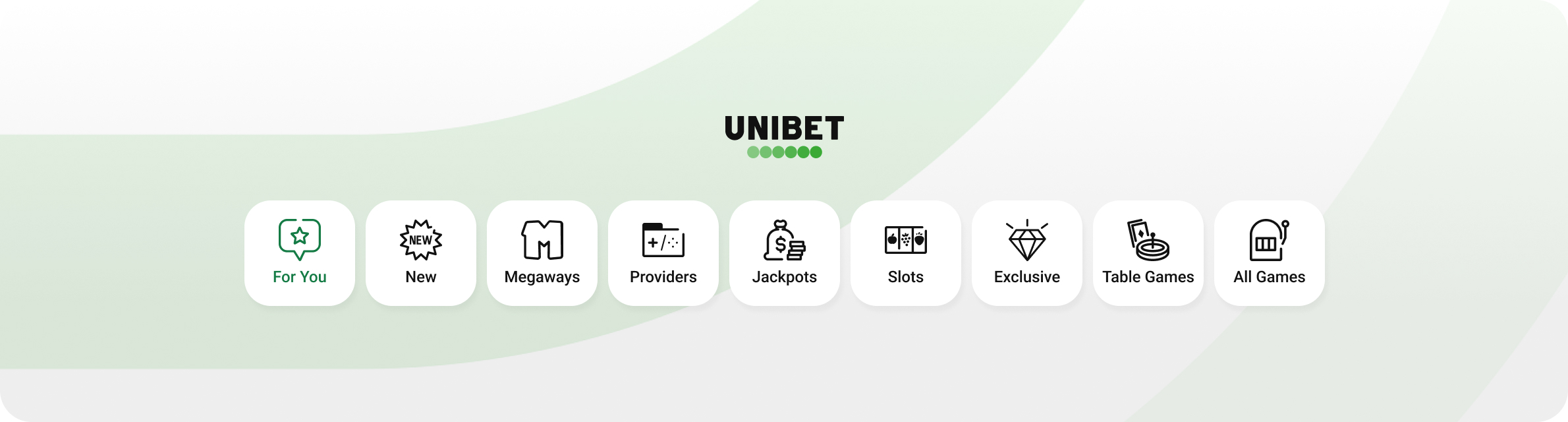
Making Navigation Simple Again
In-Game Experience
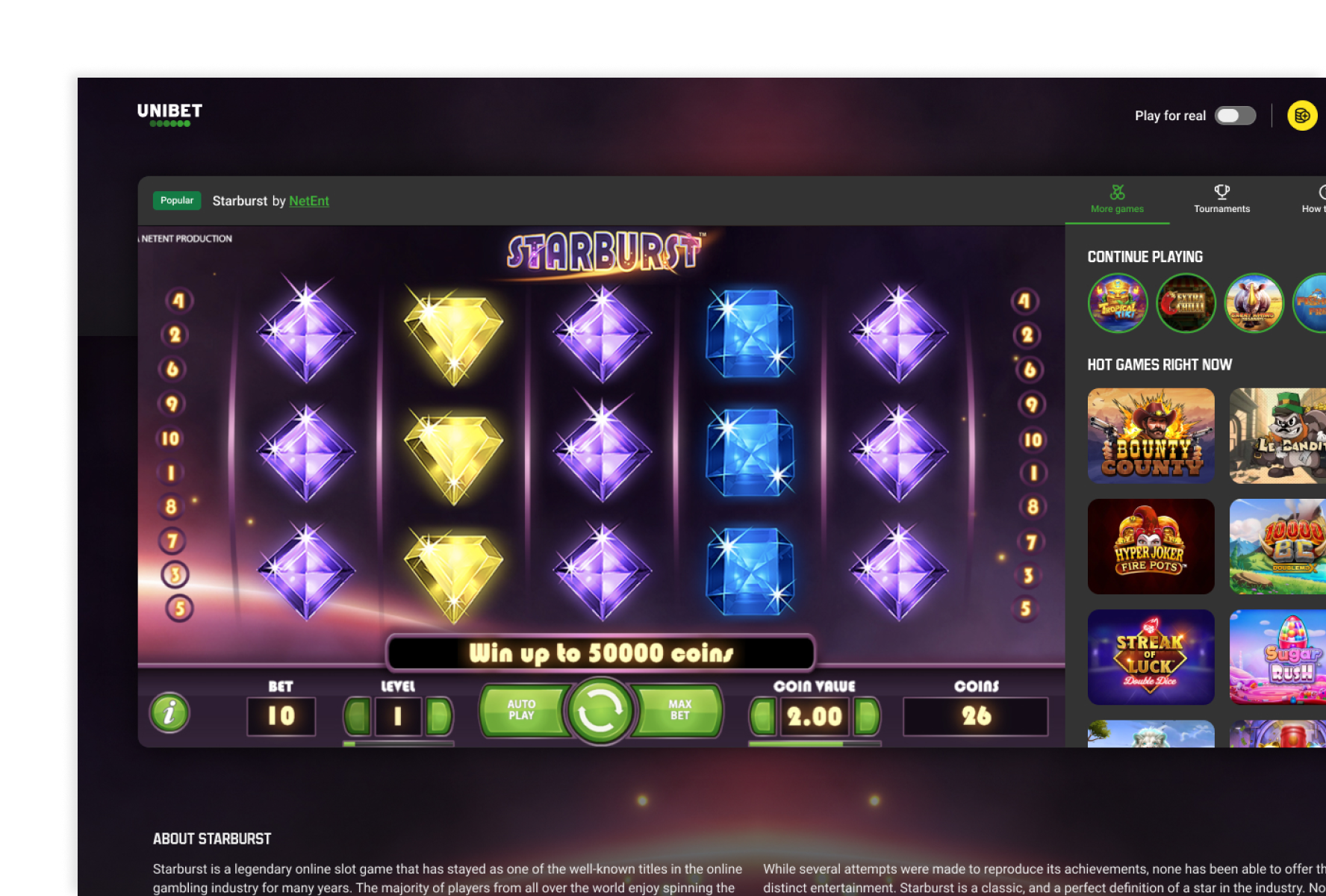
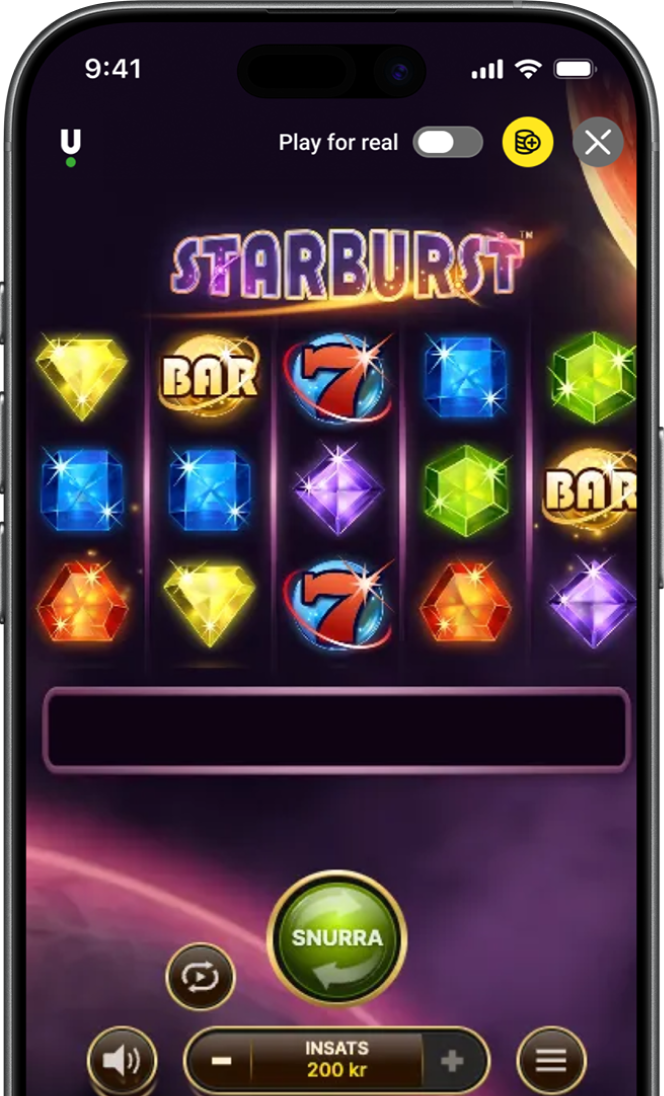
Although game providers controlled in-game mechanics, I redesigned the surrounding control layer.
Providers handled controls inconsistently. I created a unified system that absorbed those differences while preserving clarity.
User testing revealed confusion around exit behavior. Iterating from back and home icons to a clear close icon resolved the issue.
What did not make the cut
Not every feature survived. It was still MVP, albeit a little bit bloated.
These were deliberate reductions to protect scope, release focus and quality.
The sidebar promotional module generated roughly five clicks per day across 1.6M monthly active users. Redesigning it would have consumed disproportionate effort relative to impact.
The hero banner redesign was deprioritized to protect release focus.
You can read the story of these components being redesigned in impactful way in Optimizing for growth.
Release Strategy
We shipped Gaming 2.0 as a coordinated MVP across desktop and mobile rather than incremental feature drops.
Although I advocated for phased rollout, the organization favored larger releases at that time.
I focused on de-risking through feature flags, staged market releases and controlled brand rollout.
We started with smaller brands and markets, fixing the bugs and gradually moving to our hero brand Unibet.
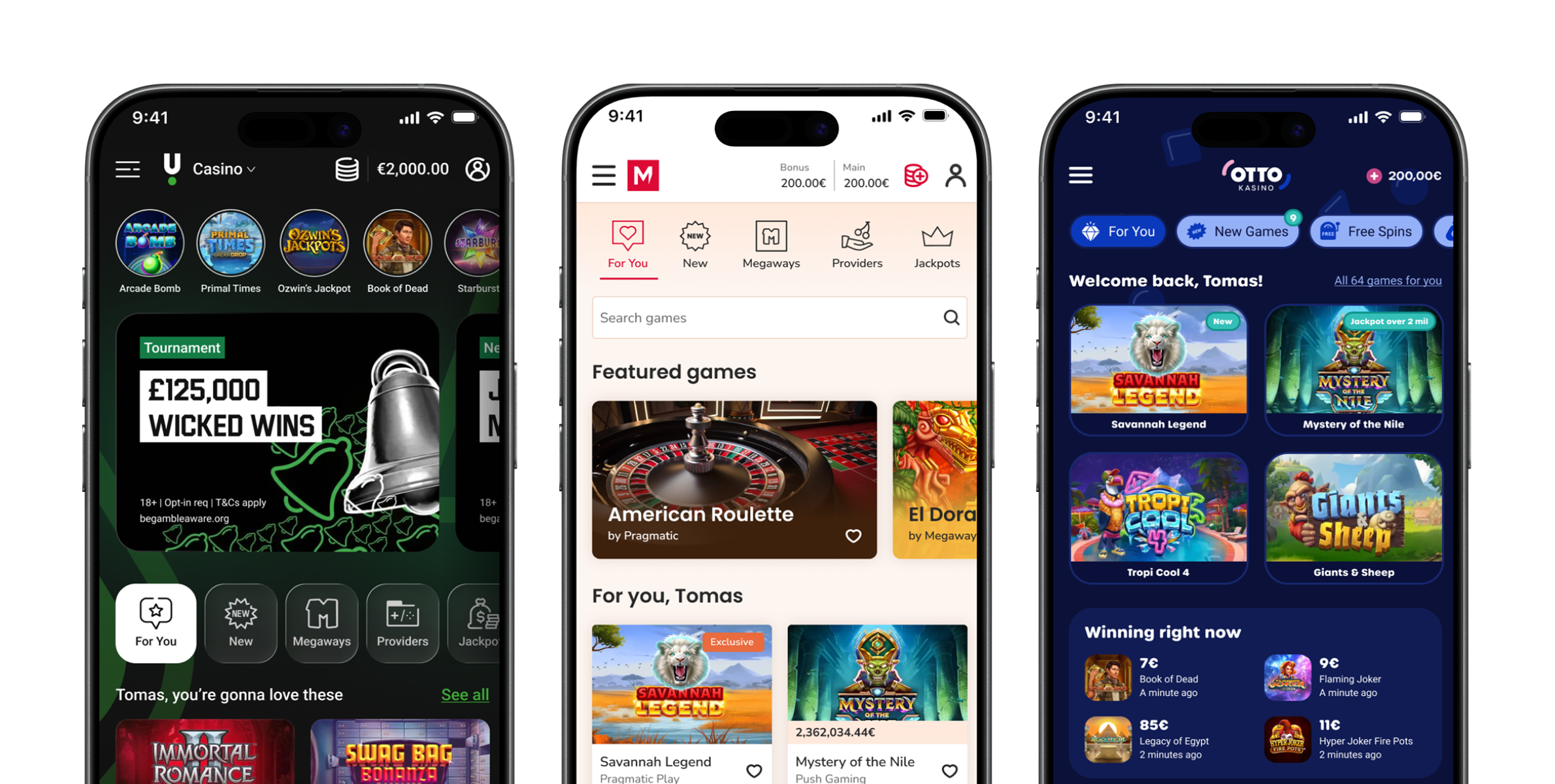
Redesigned casino lobbies across 3 out of 9 brands.
Structural Impact
Shipping Gaming 2.0 was not primarily a visual upgrade.
It unified three legacy systems into one scalable platform, reduced duplication, improved deployment independence and established a durable base for future initiatives, including the first in-house Pay & Play brand.
The platform could evolve without multiplying cost and inconsistency. That shift changed how casino delivery worked.