Scaling Product & Team
Key achievements
+61 eNPS
Score across design teams.
0% attrition
Among new hires within first 24 months.
12 in 12
Hired 12 designs in 12 months.
8 internal promotions
Of my direct reports.
8 locations
Across Europe, NA, Asia and Australia.
11 direct reports
Including managers.
3 domains, 6 countries
Managed simultaneously.
Context
The Gaming 2.0 platform was live, a scalable, mobile-first foundation built to serve ten brands across multiple markets. But no product is ever done. To protect the MVP scope, we had stripped out all commercial components: the hero banner, the sidebar, the in-lobby promotions. The sidebar alone had been receiving less than 1% of clicks, and desktop traffic was declining, so cutting made sense at the time.
Now those elements needed to come back, not as they were, but redesigned for a platform that was mobile-first, multi-brand, and expected to scale without heavy CMS maintenance. At the same time, the design team was in a difficult place.
COVID had taken two thirds of the product design team. The company was entering a rapid growth phase, expecting design operations to double within 18 months.
That came with expansion from three locations to eight across multiple time zones and cultures. I needed to scale both the product and the team simultaneously, and neither could wait for the other.
Creating Room to Grow
The attrition forced us to look at what had been missing. People hadn't left because the work was bad. They left because there was no visible path forward, no shared expectations, and no structured way to grow. So before building any product features, I focused on what the team needed to function at scale.
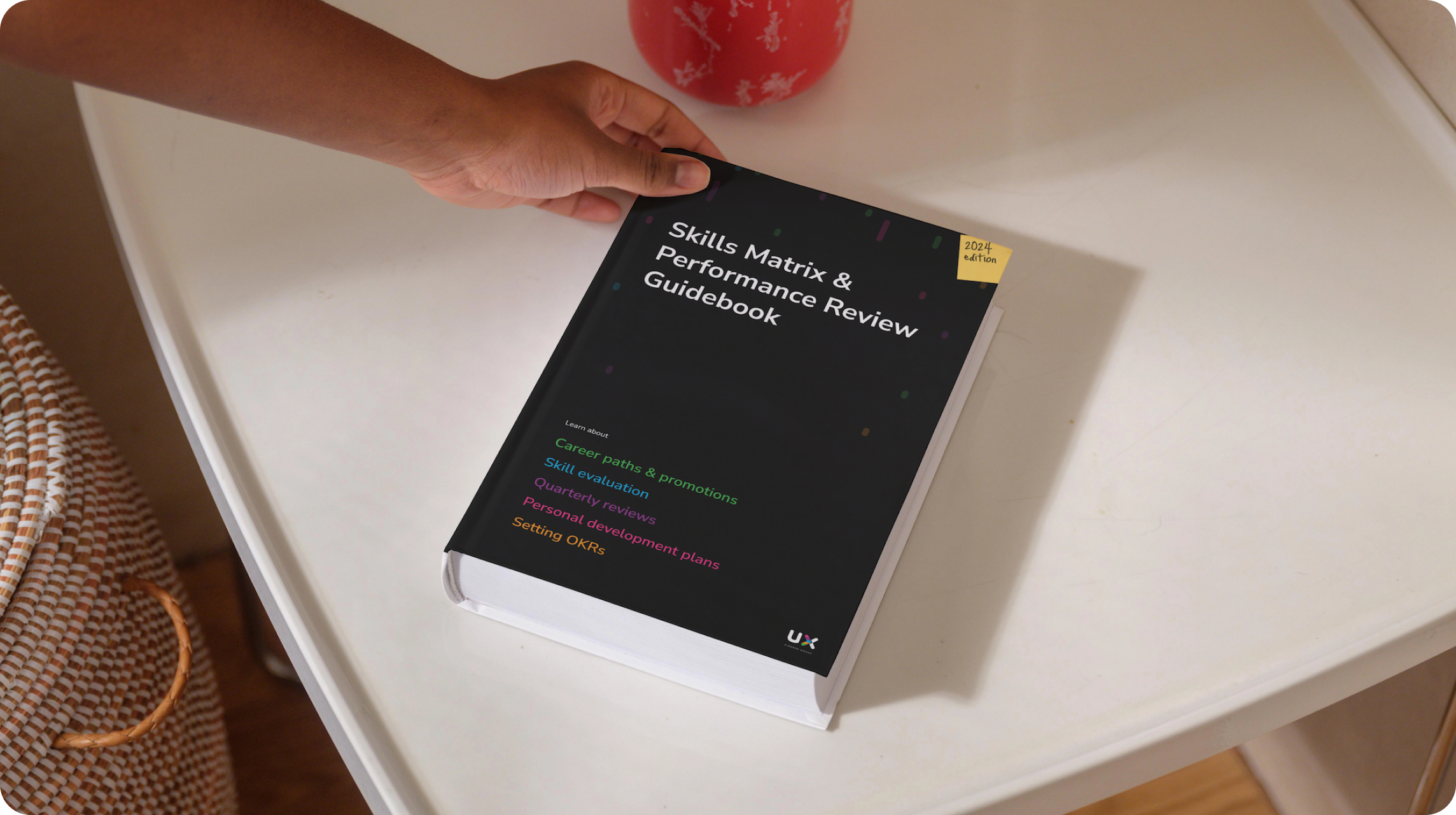
I created a skills matrix that defined what was expected of designers at every level. That matrix became the foundation for a career ladder with clearly defined levels from product designer through senior, lead, and into a fork between principal IC and people management tracks. Each level carried specific skill expectations, which fed directly into a performance review framework I designed alongside it.
The goal was to make progression transparent, so people could see exactly where they stood and what reaching the next level required.
Over the following two years, eight designers were promoted internally through this system, several growing from junior to lead level.
Not every decision was straightforward
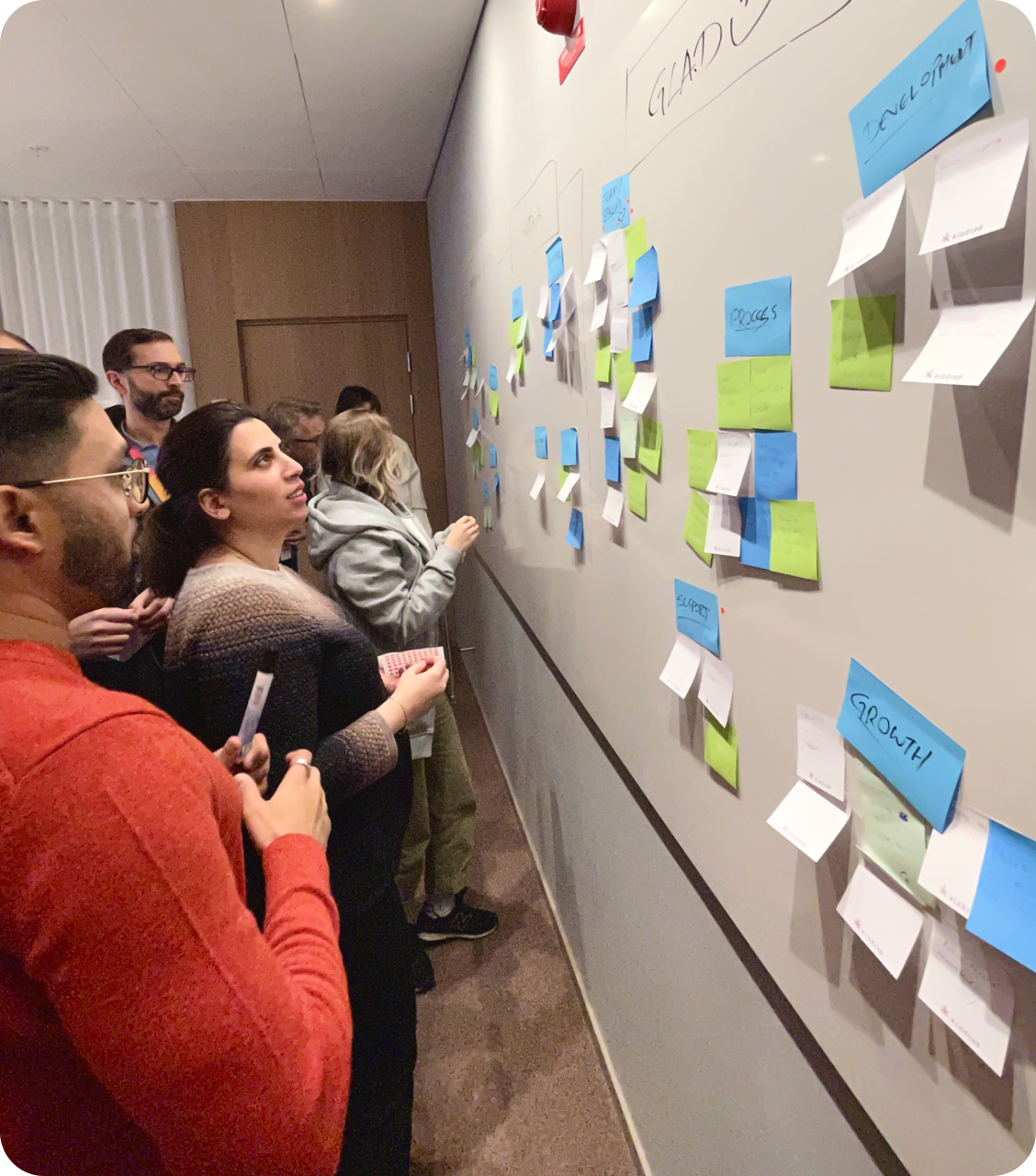
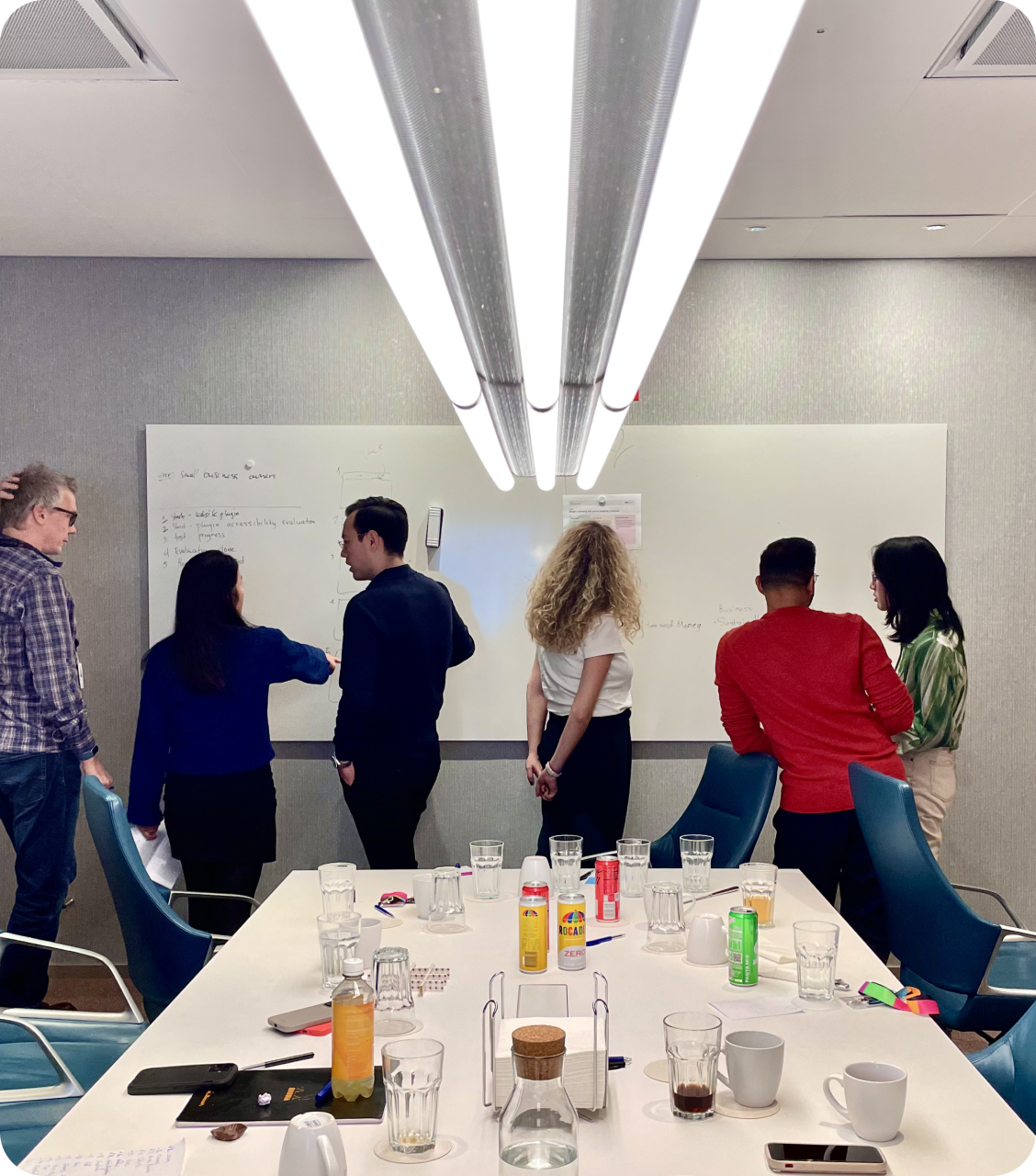
When we designed the career ladder, there was pressure from another design manager and the Head of Product Design to give Principal Designers direct reports. I had held a that role earlier, and advised against it. In practice, Principals in that setup get overwhelmed, their teams lose consistent support, and their own project work suffers. The risk scales badly as the organisation grows. We kept the tracks separate, and the decision held up as the team expanded.
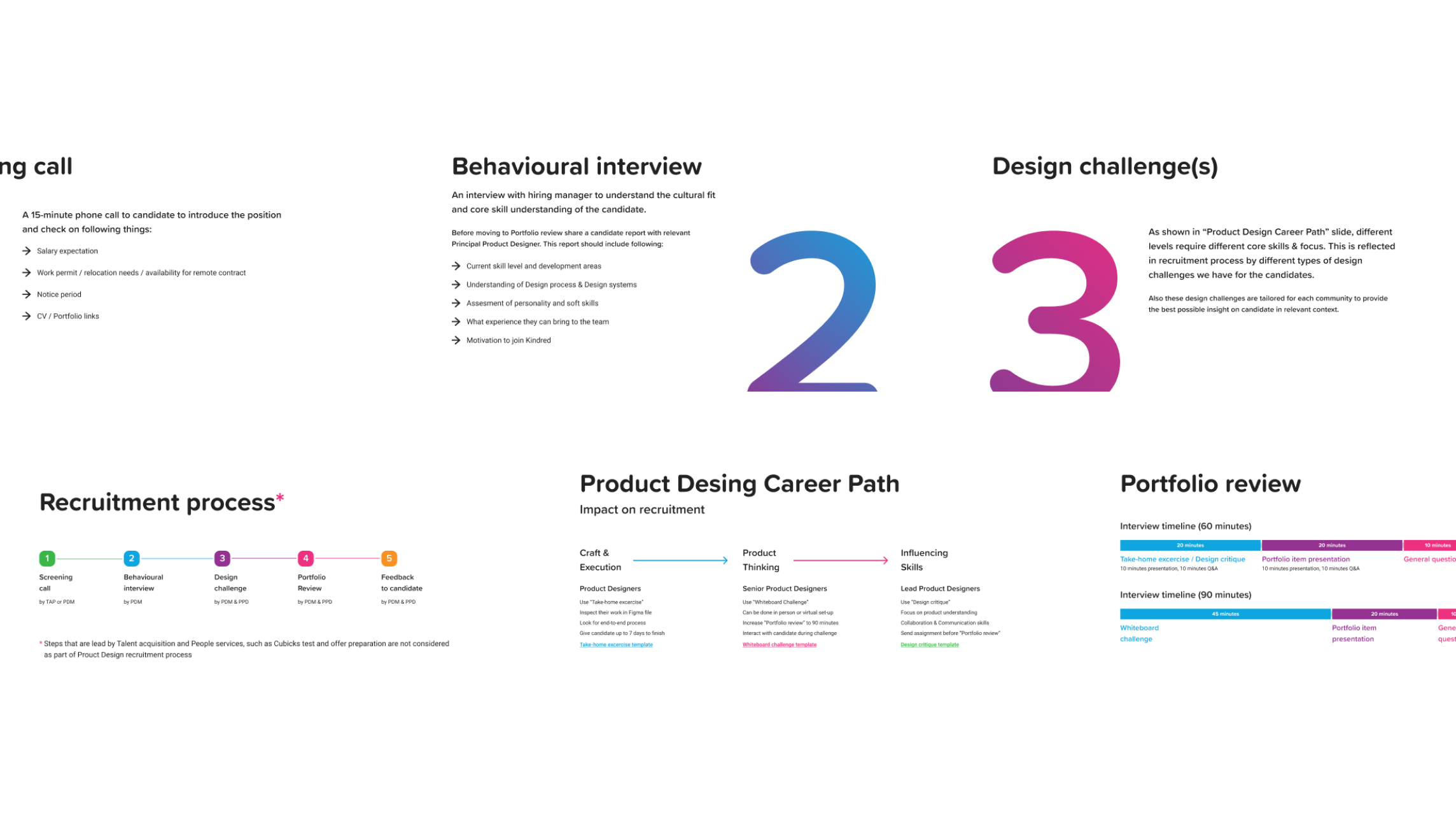
The new, streamlined recruitment process.
Growing the Team
Hiring was the next constraint. I redesigned the recruitment process into something lean. I personally hired 12 designers in 12 months through this process, and none of them left within the first 24 months. Most stayed beyond 36. That retention came from the combination of a clear hiring bar and an onboarding process I built to handle the complexity of eight locations spanning Stockholm, London, Malta, Belgrade, Madrid, Las Vegas, Sydney, and Bangalore.
One problem I could see clearly because I managed people across multiple product domains was that teams were forming silos.
Each design team operated within its own vertical and rarely collaborated, shared work or challenged each other's thinking.
I introduced regular Design Crit and Show & Tell sessions, which opened up visibility across teams and created shared craft standards across the department.
By the end of this period, I was managing across three domains simultaneously with direct reports in six countries, including a manager with their own report. I was responsible for setting and evaluating OKRs at both individual and department level, managing resource allocation and budgets, and maintaining succession plans for senior and key roles. The team's eNPS reached +61.
Bringing Back What We Cut
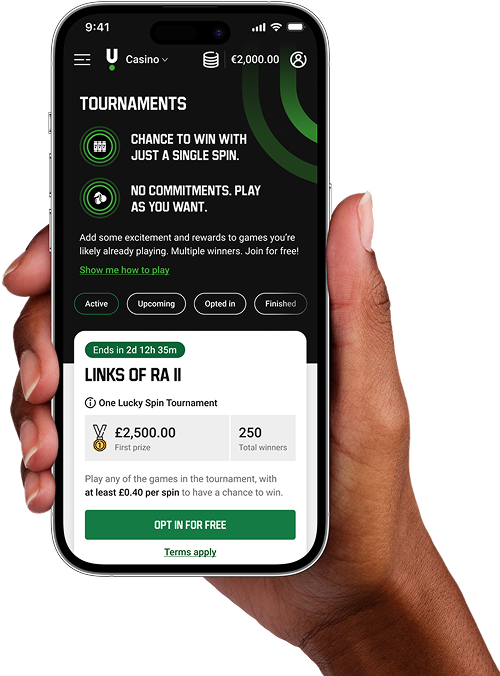
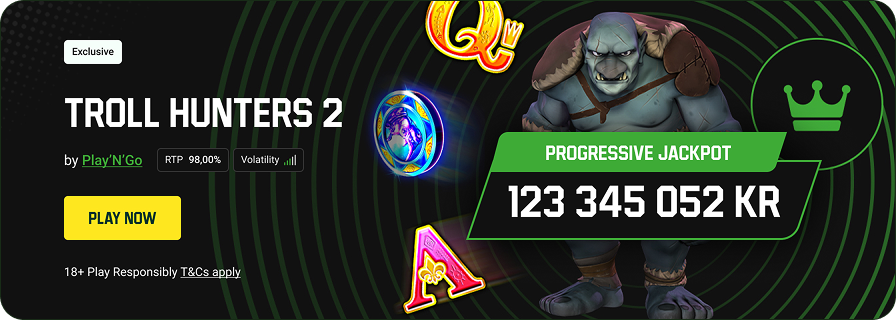
While the team was taking shape, the product needed to move forward. The first priority was the hero banner, the most visible promotional surface on the platform. I designed a mobile-first video banner with a carousel that could serve both portrait and landscape layouts, and worked with marketing to create template assets so they could produce new banners without design involvement each time. Within the first months, click-through on the promo area increased by 25%, even with only one or two of the four carousel slots running video at that point.
The bigger structural challenge was reintroducing promotional content into the lobby. The old sidebar was gone, and mobile didn't have room for one anyway. I designed a widget engine built on a single promotional template that could run four distinct variants:
The game promotion variant was fully automated, pulling artwork and metadata directly from providers so the CMS team didn't need to build each one manually. A shared jackpot counter component worked across both the widget and the banner, keeping the system lean.
These widgets were deployed across all ten brands and achieved 21% click-through among users who saw them, replacing a surface that had less than 1% engagement.
Considering that 67% of players go directly to their last played game, reaching 21% of the broader player base through promotional content represented a significant shift in commercial surface performance.
The Rebrand That Wasn't Asked For
The platform's scalability was proving itself in other ways too. Otto Casino's Swedish launch was completed in months by leveraging the multi-brand architecture from Gaming 2.0.
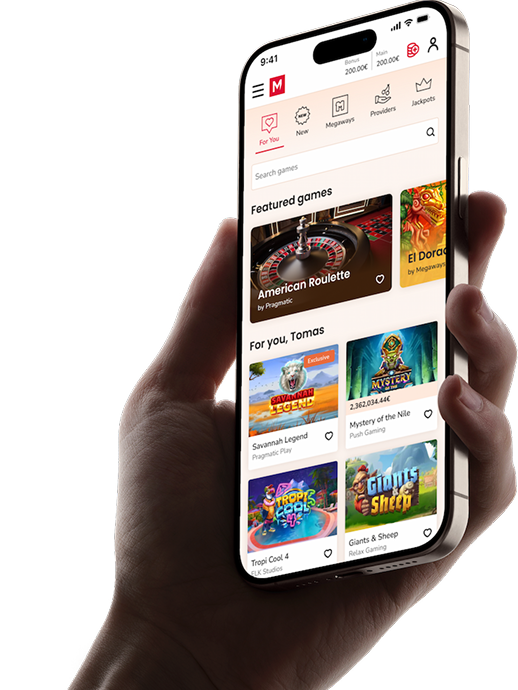
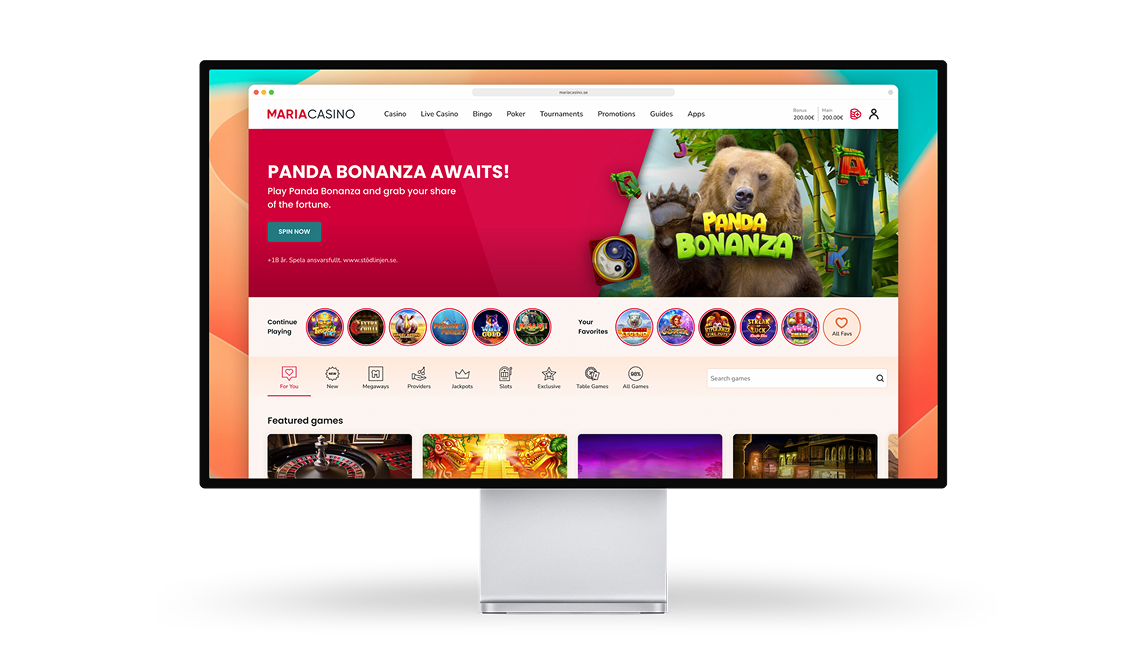
When the Maria Casino country manager approached us asking for rounded game tiles and updated button colours, I got suspicious of such small scope being chased by country manager. So I took her aside and uncovered that she was unhappy with the brand experience overall but had assumed a full rebrand would take too long to request.
I partnered with the design systems team and delivered the complete rebrand in four weeks: two weeks of design, two sprints of implementation.
New colour mappings, redesigned game tiles, reworked visuals and last-played surfaces, all within a scope she had considered unrealistic.
In the following year, Maria Casino saw casino turnover up 31% and active customers up 39% year-on-year. The rebrand was one contributing factor alongside broader business activity, but the speed and scope of delivery demonstrated what the platform and team infrastructure could enable when both were working well.